 By Ben Jimenez
·
Irving, TX
·
October 7, 2026
By Ben Jimenez
·
Irving, TX
·
October 7, 2026
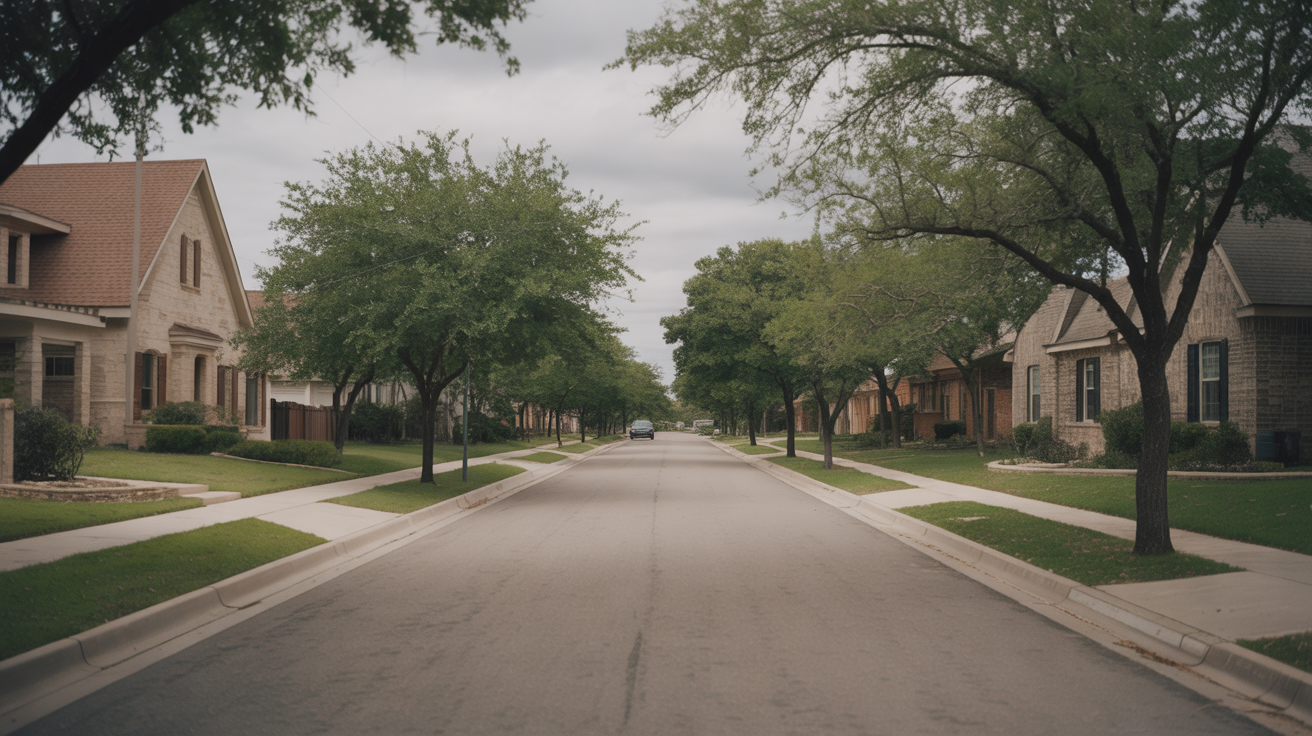
Here is the honest read. Irving right now favors a prepared buyer more than it has in several years, and the thing that would make waiting worth it, cheaper money, is moving the wrong direction.
As of September 2026, the median price in Irving sits around $440,000, up roughly 3 percent year over year, at about $225 per square foot. Homes are taking a median of 67 days to sell, which is the same as this time last year. There were 593 homes on the market in September, with inventory up over 11 percent from a year ago.
Read those together and you get a balanced market, not a crash and not a frenzy. Prices are holding with slight growth, more homes are available than a year ago, and nothing is selling in a weekend. That combination is what lets a buyer negotiate.
This is where the wait-and-see plan runs into trouble. The 30-year fixed has been moving up, not down. Late September 2026 readings from different sources put it roughly between 7.36 and 7.63 percent, and it jumped noticeably in just a few days. Two days before that it was reading near 7.48 percent.
Nobody knows where rates go next, and anyone who tells you otherwise is selling something. What you can reason about is the shape of the tradeoff. If you wait and rates fall, buyers come back off the sidelines and you compete for the same houses with less negotiating room. If you wait and rates rise, you buy less house. Waiting is not a neutral position, it is a bet.
Real leverage, if you use it. In a market where the average listing sits over two months, the things a buyer could not ask for in 2021 are back on the table:
That last point matters more than the headline price. A seller credit that buys your rate down for the first few years can change your payment more than knocking $10,000 off the sale price.
Buy if your situation is ready: stable income, a real preapproval, enough cash for down payment and closing plus a reserve afterward, and an expectation of staying put at least five years. In a balanced market with 593 homes to choose from, a ready buyer does well.
Wait if you are stretching to make the payment work, if your job is unsettled, or if you would be draining your savings to close. Nothing about a market with two months of inventory rewards buying before you are ready.
Notice that neither answer depends on predicting rates. It depends on you. If you want a straight read on what your payment would actually be on a specific Irving house at today's rates, that is a quick conversation and it beats guessing.
No one knows, and current data does not point that way. Irving is up about 3 percent year over year with inventory rising, which reads as flattening rather than falling. Plan around your own timeline, not a forecast.
It can work, but only if the payment works today without the refinance. Treat a future refinance as a bonus, never as the thing that makes the deal affordable.
Month to month, renting is often cheaper at rates in the mid-7s. Buying wins over a longer hold through principal paydown and a fixed payment. Under about five years, renting is frequently the better math.
It depends almost entirely on how long the home has been listed and why the seller is moving. A fresh listing has little give. One sitting past the 67-day median has considerably more.
Shopping by price instead of by payment. Two homes at the same price can have very different tax and insurance costs. Ask for the full monthly number, including taxes and insurance, before you fall for a house.
Get a straight answer on pricing, timing, and what it would take to get you moved.
Schedule a Free ConsultationAI-assisted research and drafting, reviewed and approved by Ben Jimenez before publishing.
 Ben Jimenez